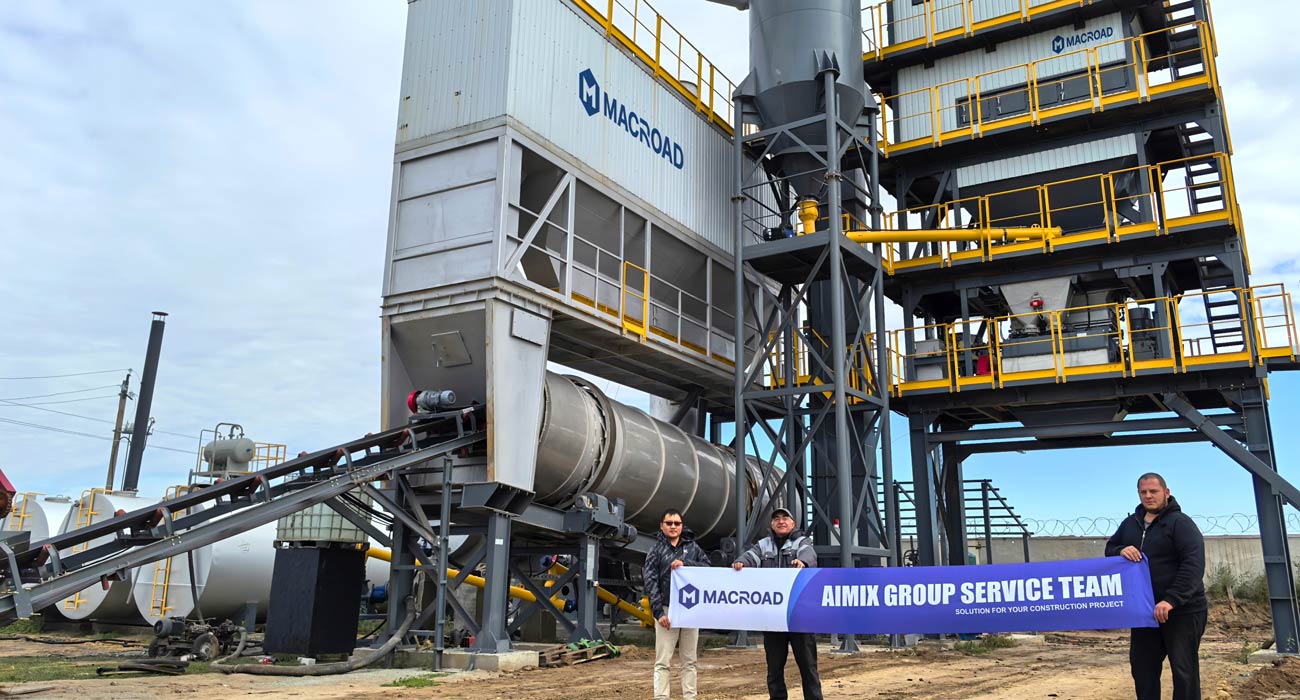
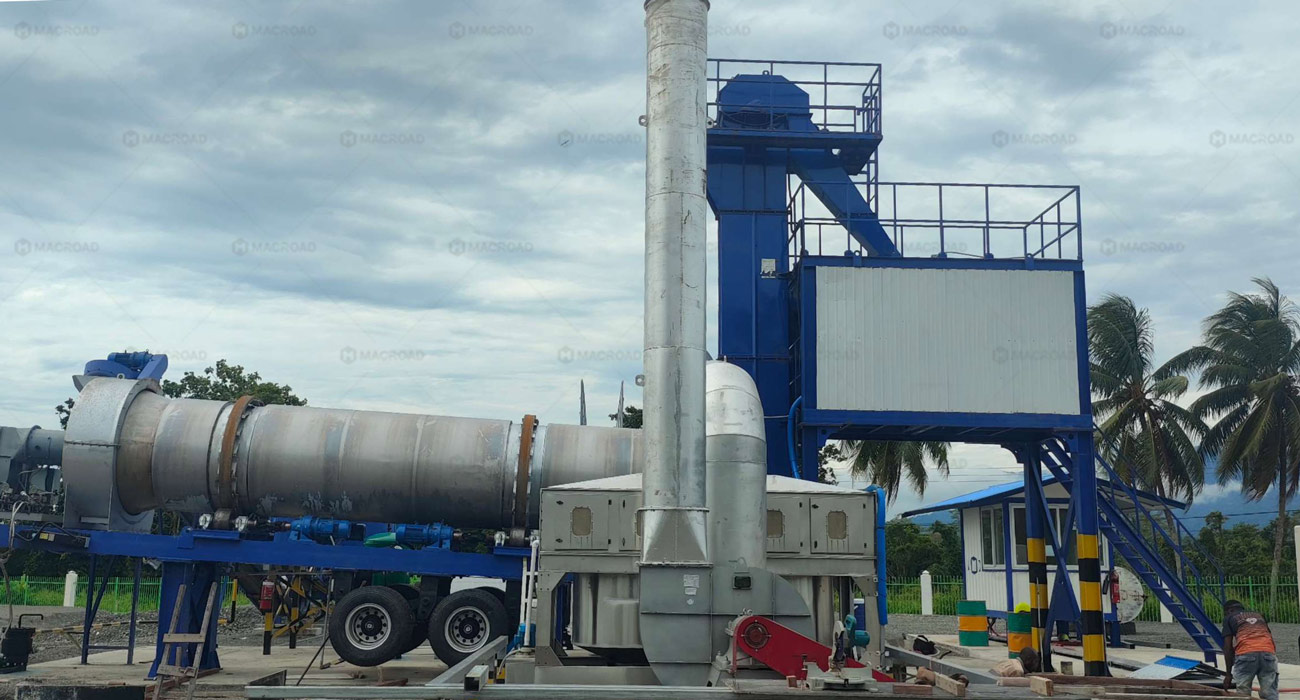
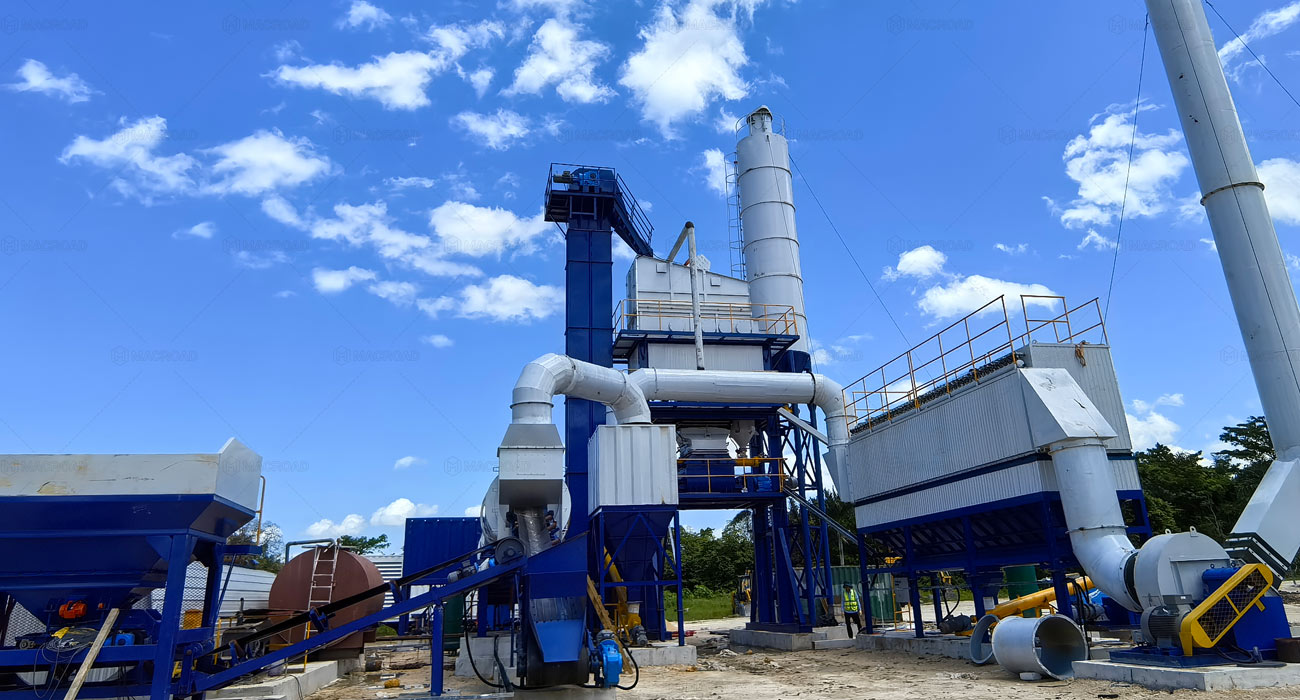
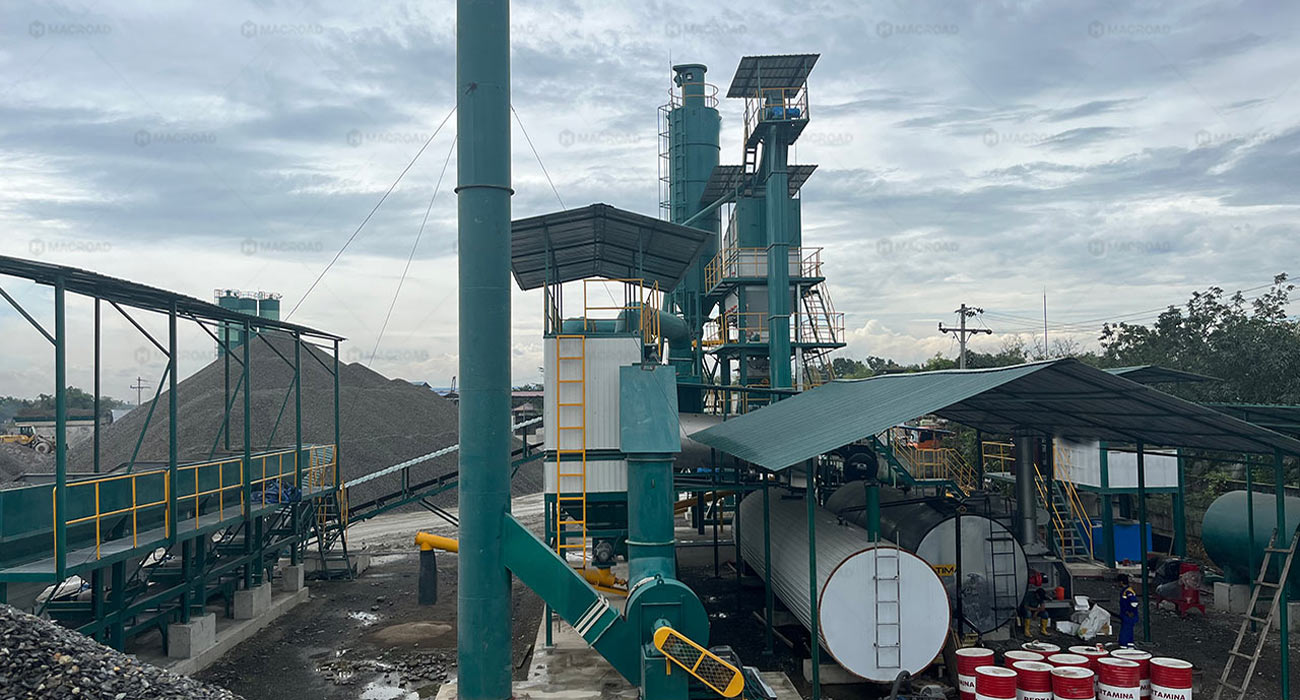
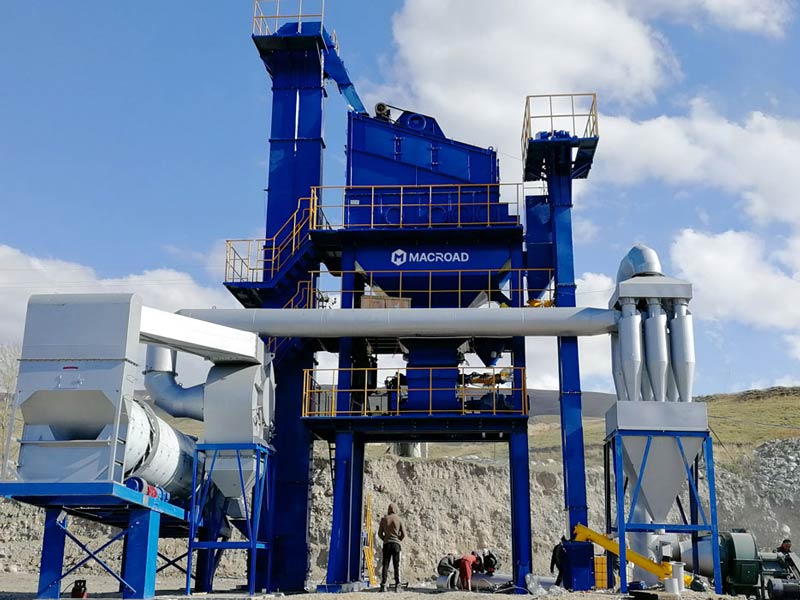
Modern infrastructure projects demand rapid adaptation to changing material specifications without sacrificing compliance or throughput. When contractors manage municipal roads, heavy-duty highways, and commercial parking areas simultaneously, asphalt batching plants must maintain strict quality control across varying aggregate gradations and binder ratios. Professional asphalt plant suppliers emphasize specialized engineering features that guarantee precise weighing accuracy, rapid recipe switching, and thermal stability. By focusing on mechanical precision and automated controls, suppliers prove that high-performance asphalt batching plants can meet rigid engineering standards while eliminating downtime during frequent mix changes.

Multi-Deck Screen Selection and Dynamic Hot Bin Dosing
To handle frequent gradation shifts, asphalt batching plants rely on high-frequency multi-deck vibrating screens that precisely classify heated aggregates into distinct size categories. These screens route materials into isolated hot bins fitted with continuous ultrasonic level sensors, preventing cross-contamination and aggregate segregation before the batching cycle begins. Modern asphalt plant suppliers integrate variable-frequency drives on the screening unit to adjust vibration amplitude dynamically, allowing immediate adaptation when switching from coarse base courses to fine surface layers.
Accurate dosing from these hot bins depends on multi-stage pneumatic discharge gates equipped with high-resolution load cells. Rather than relying on simple timer controls, the batching computer uses adaptive cut-off algorithms that account for free-falling material in real time. This mechanism ensures that each aggregate fraction matches the job-mix formula down to the kilogram, preventing gradation drift when changing recipes mid-shift.

High-Frequency Load Cell Systems and Direct Binder Injection
Achieving precise binder ratios across changing mix designs requires specialized load cell configurations on both the aggregate weigh hopper and the liquid asphalt scale. Top-tier asphalt batching plants utilize S-type load cells with digital signal filtering to eliminate mechanical vibration noise caused by nearby exhaust fans or screening decks. This setup guarantees immune, real-time mass measurements for aggregate batches, mineral fillers, and recycled materials.
For liquid asphalt and modified additives, reliable asphalt plant suppliers highlight direct-injection systems controlled by mass flow meters and fast-acting volumetric dosing valves. By using fully insulated, thermally traced weigh buckets positioned directly above the twin-shaft mixer, the system prevents binder cooling and wall adhesion. This accurate dosing prevents binder flush or dry mixes, ensuring stable oil content even when transitioning between polymer-modified designs and standard penetration-grade mixtures.

Automated PLC Control and Rapid Twin-Shaft Mixing
The foundation of fast recipe switching in asphalt batching plants lies in an advanced PLC control system equipped with pre-programmed job-mix libraries. Operators can initiate a complete switch in aggregate gradations, filler percentages, and binder content with a single command, eliminating manual recalibration. Leading asphalt plant suppliers integrate automatic flushing sequences and self-adjusting gate calibration into their software, which dynamically adjusts target weights based on previous batch error trends.
Homogeneity across varying mix designs relies on high-efficiency twin-shaft pugmills with counter-rotating paddle arms. The mixer design delivers complete coating of aggregates in short cycle times, regardless of viscosity changes or aggregate surface area variations. Thermal insulation around the mixing chamber prevents temperature drops during batch delays, ensuring consistent discharge temperatures, optimal compaction properties, and maximum fuel efficiency across every load.
Conclusion
Infrastructure contracts requiring frequent mix changes demand robust asphalt batching plants capable of precise dosing and instant adaptability. By highlighting advanced multi-deck screening, high-frequency load cells, and automated PLC control systems, dedicated asphalt plant suppliers demonstrate how operational flexibility and rigid specification compliance can co-exist. Investing in these technical features guarantees consistent output quality, minimizes material waste, and secures maximum profitability on complex paving projects.