When considering whether to buy asphalt plant, it is crucial to conduct an integrated accounting of both the purchase and operational costs, including the asphalt paving machine price and ongoing maintenance expenses. This comprehensive approach ensures that decision-makers can improve the long-term cost performance of their asphalt construction equipment. By analyzing these factors in tandem, buyers can make informed investments that lead to greater efficiency and financial sustainability.
Understanding Initial Purchase Costs
The first step in the integrated accounting process involves understanding the initial purchase costs associated with buying an asphalt plant. This includes the outright price of the plant itself, along with any additional charges for transportation and installation. However, potential buyers should not overlook the cost of associated equipment, particularly the asphalt paving machine price.
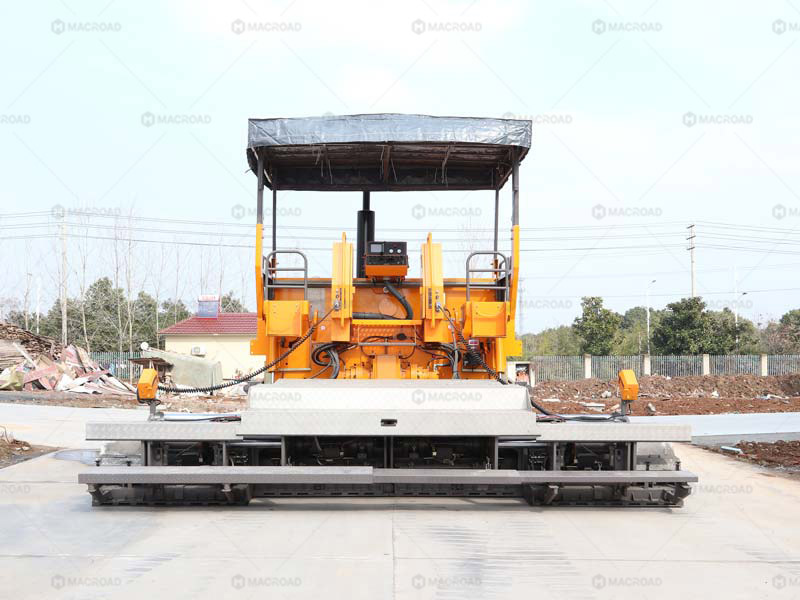
Evaluating the asphalt paving machine as part of the overall package allows buyers to accurately assess the total investment for asphalt production and application. Costs may vary based on the type, size, and features of the paving machine, but it’s essential to consider its compatibility with the asphalt plant’s output capacity. Mismatches can lead to inefficiency, which may compound costs over time.
Researching market prices and gathering quotes from multiple suppliers will provide a clearer picture of the financial commitment required. This process will enable prospective buyers to set a realistic budget and determine the best configurations for their specific needs.
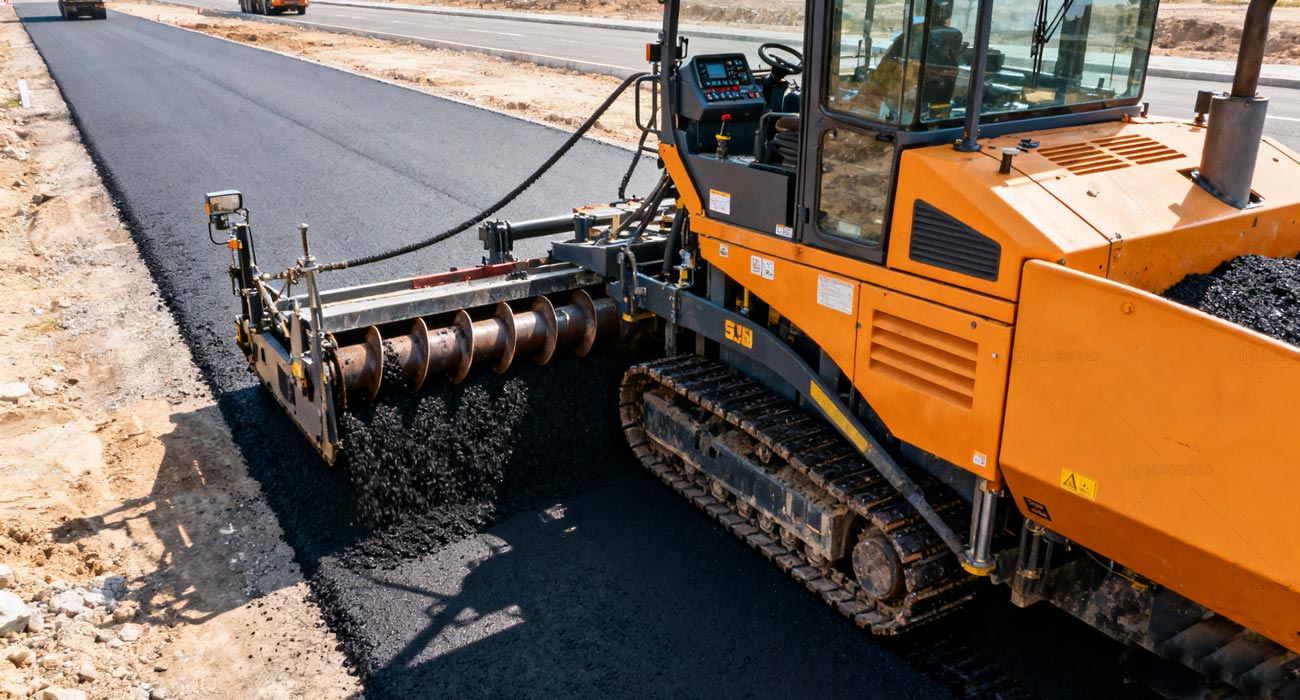
Analyzing Operational and Maintenance Expenses
After establishing the initial purchase costs, attention turns to the ongoing operational expenses associated with running the asphalt plant and paving machine. Operational costs encompass various factors such as labor, energy consumption, and raw materials, all of which can contribute significantly to the overall expenditure.
Moreover, the price of maintaining equipment must also be factored in. Routine maintenance is essential for ensuring that both the asphalt plant and paving machine operate at optimal efficiency. Neglecting maintenance can lead to breakdowns and unplanned repairs, which result in additional costs that can strain budgets.
To effectively assess these expenses, customers should develop a projected operating budget that includes estimated costs for parts, labor, and service. Consulting with manufacturers and experienced operators can provide insights into typical maintenance costs, thereby leading to a more accurate long-term financial analysis.

Calculating Long-Term Cost Performance
Finally, integrating the purchase and operational costs enables buyers to evaluate long-term cost performance. By comparing the total expenses incurred from purchasing the asphalt plant and paving machine with the projected revenue from asphalt production, stakeholders can derive a clearer understanding of profitability.
It is also beneficial to consider how improved efficiencies from newer technologies can reduce operational costs. For instance, modern asphalt plants might feature advanced controls that optimize production, leading to less material waste and energy consumption. These efficiencies contribute to higher profit margins and enhance overall project viability.
In this context, potential buyers should establish clear performance metrics that align with their financial goals. This approach not only aids in evaluating the initial purchase but also assists long-term planning around workforce training and equipment upgrades to ensure continued operational success.
Conclusion
In conclusion, when deciding to buy asphalt plant, an integrated accounting of both the purchase and operational costs is vital for making informed investment decisions. By thoroughly evaluating initial expenses and ongoing operational and maintenance costs, buyers can improve the long-term cost performance of their asphalt construction equipment. A comprehensive approach that includes analyzing the asphalt paving machine price alongside the plant costs ensures that stakeholders maximize their investment and sustain efficiency over time. This strategic planning ultimately positions them for success in a competitive marketplace.